Don't Wait for the Magazine Profile: Why Your Press Kit Is the Origin Story Hollywood Reads First
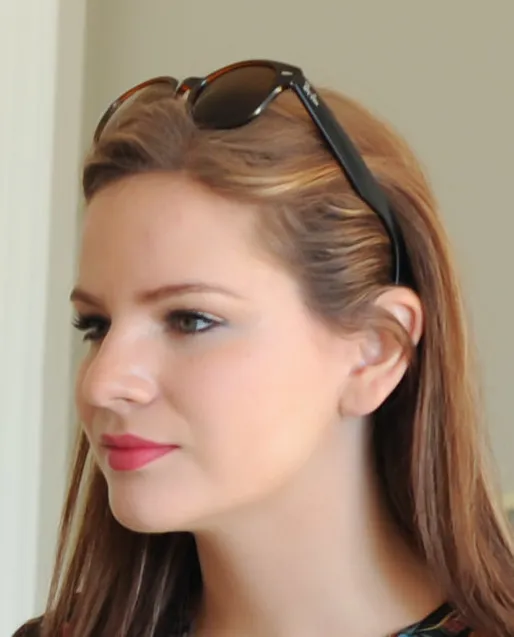
Photo: Canadian Film Centre from Toronto, Canada, CC BY 2.0, via Wikimedia Commons
There's a moment in every working actor's life when a journalist, a casting director, or a producer's assistant Googles your name. What they find in those first ninety seconds is, functionally, your biography. If you haven't written it, someone else is drafting it right now — and they're working from a LinkedIn page, an old community theater review, and whatever photos your cousin tagged you in from 2019.
That's not a press kit. That's a rumor.
The Industry Doesn't Discover You. It Files You.
Hollywood is a filing system pretending to be a dream factory. Every performer gets sorted into a mental drawer the moment someone in a position of power hears your name. Are you "the intense one from the Chicago storefront scene"? Are you "the ex-athlete"? Are you "the person who did that one viral short film"? The drawer gets labeled whether you participate or not.
The actors who seem to "arrive" fully formed — the ones whose profiles read like they were written by a very sympathetic screenwriter — almost always authored that narrative themselves, early, and on purpose. Not with arrogance. With architecture.
A press kit is how you hand the industry the drawer label you actually want.
What Actually Goes in One
Forget the corporate PR version. A performer's kit is leaner, weirder, and more personal. At minimum:
- Three to five headshots that don't match each other. Not in quality — in implication. One clean commercial look, one that suggests drama, one that suggests you're somebody's complicated best friend.
- A reel under two minutes. Cut for contrast, not length. Lead with the moment you're most alive on screen, not the moment you look best.
- A bio in three sizes. One sentence, one paragraph, one page. The one-sentence version is the hardest and the most important. It's your hook, compressed.
- A short list of your actual credits with context. "Lead, The Long Goodbye (short, 2023) — Official Selection, Austin Film Festival" tells a story. A bare IMDB link doesn't.
- Two or three quotes. From a director, a scene partner, a reviewer. If you don't have them yet, ask the people you've worked with. Most will happily write two sentences. It's not vanity; it's documentation.
None of this requires fame. It requires that you treat your career as something with a public record — because it is.
The Hook Problem (and How to Solve It Honestly)
Here's where actors get squeamish. "I don't want to brand myself. I'm an artist." Fair. But a hook isn't a brand — it's a doorway. It's the one true, specific thing about you that makes a stranger lean in.
The trick is specificity over spin. "Former rodeo clown turned character actor" is a hook. "Passionate storyteller with a love of craft" is wallpaper. The best hooks come from the least glamorous corners of your biography: the town you're from, the job you worked, the thing you did before anyone told you it was material.
And here's the thing — the hook can change. Your press kit isn't carved in stone. It's a living document you revise the way you'd revise a script. Version one gets you in the room. Version five gets you the profile in a real magazine.
Why Before 25 (or As Soon As Humanly Possible)
The age matters less than the timing principle: narratives compound. The earlier you establish what you're "about," the more every subsequent credit reinforces it instead of confusing it. An actor who arrives with a story attached gets slotted into conversations. An actor who arrives with a headshot and a prayer gets slotted into a pile.
You are going to be written about eventually — even if it's just a paragraph on a festival page or a blurb in a casting breakdown. The only real question is whether the first draft is yours.
Sit down this week. Open a document. Write the one-sentence version of yourself that you'd be proud to see quoted back to you. Then build outward from there.
The legend is getting written either way. You might as well hold the pen.